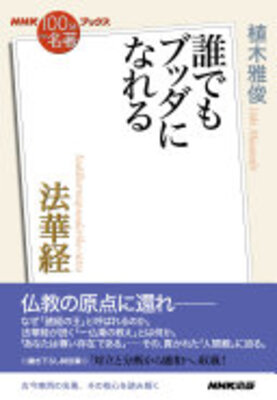
「あなたは尊い存在である」――その、貫かれた「人間観」に迫る。 古くは『源氏物語』から宮沢賢治まで、日本人を魅了し続けてきた法華経。「諸経の王」と呼ばれる経典には、いったい何が書かれているのか。法華経が説く「一仏乗の教え」とは何なのか。仏教の原点に還ることを説く経典に内蔵された、ブッダがほんとうに伝えたかったこととは何か。仏教に立ちはだかった「対立」という壁を乗り越えて「平等思想」を説いた法華経は、「分断」がはびこる世界に「融和」という処方箋を提示する。サンスクリット原典から日本語訳を果たした第一人者が、宗教書にとどまらない「人間に寄り添う書物」として、その思想の本質を探る。 〈内容〉 はじめに:思想として『法華経』を読む 第1章:全てのいのちは平等である 第2章:真の自己に目覚めよ 第3章:「永遠のブッダ」が示すもの 第4章:「人間の尊厳」への讃歌 特別章:対立と分断から融和へ 読書案内 あとがき
Japanese study overview
NHK "Hyappun de Meicho" Books: Hokekyou – Dare demo Buddha ni Nareru is a Japanese non-fiction of 80,403 characters, with 5,216 unique words and 1,579 different kanji. Its difficulty rating on Jiten is hard, 3.9 out of 5. The full vocabulary list ranks all 5,216 words by how often they appear, and you can study them on Jiten or download them as an Anki deck.
Similar Media
xx% = content similarity



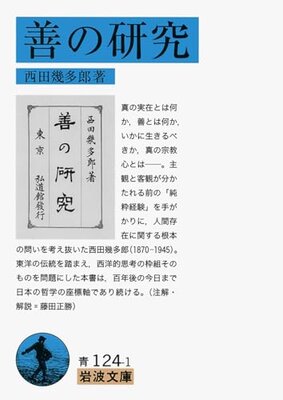
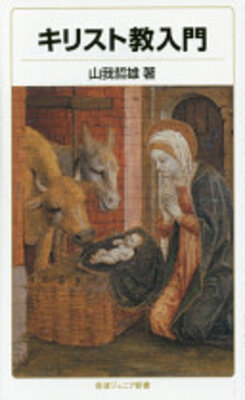
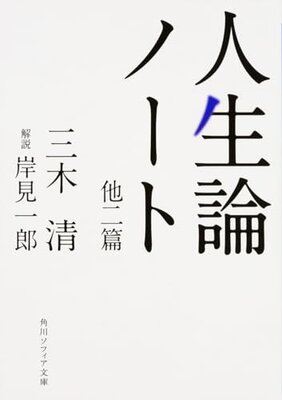
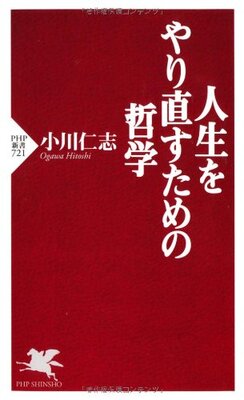
Vocabulary highlights
Here are some of the words that appear most often in this media, as well as a sample of its rarer vocabulary.
- 釈尊Gautama Buddha×276
- 法華経Lotus Sutra×265
- 菩薩bodhisattva×247
- 人person×136
- 仏教Buddhism×129
- 章chapter×115
- 私I×113
- 人間human being×108
- 説くto explain×101
- 言うto say×94
- 教えteaching×87
- 仏Buddha×87
- 如来Tathagata×83
- 声聞sravaka (disciple of Buddha)×82
- 経典sacred books×68
- 出家entering the priesthood×53
- 衆生all living things×44
- 覚りcomprehension×43
- 授記vyakarana (assurance of future enlightenment)×40
- 譬えexample×36